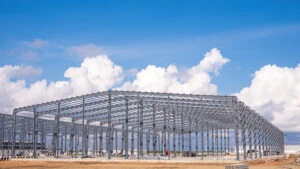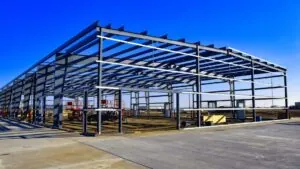
You want a metal building that lasts, looks good, and fits your budget. Steel, aluminium and coated steels like galvanised or weathering alloys give you the best mix of strength, low maintenance and cost-effectiveness for most modern metal buildings.
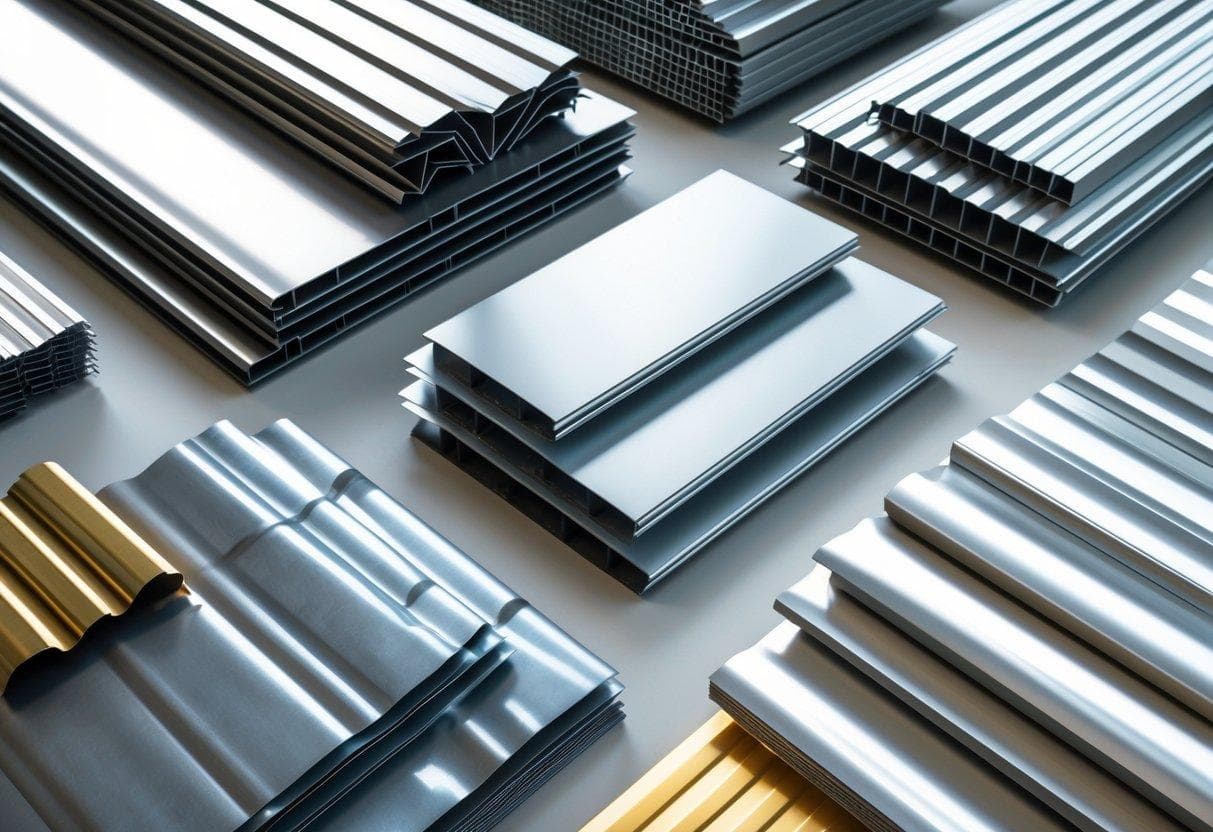
Choose materials that match your needs: heavy-gauge structural steel for frames, corrugated steel or aluminium panels for cladding, and weathering or coated finishes for corrosion resistance and low upkeep. Think about energy performance and recyclability too, since those choices cut operating costs and support greener builds.
Key Takeaways
- Modern metal buildings rely on a few core metals for strength and durability.
- Coatings and alloy choices determine maintenance needs and appearance.
- Material choices affect cost, energy use, and long-term value.
Key Metals Used in Modern Metal Buildings
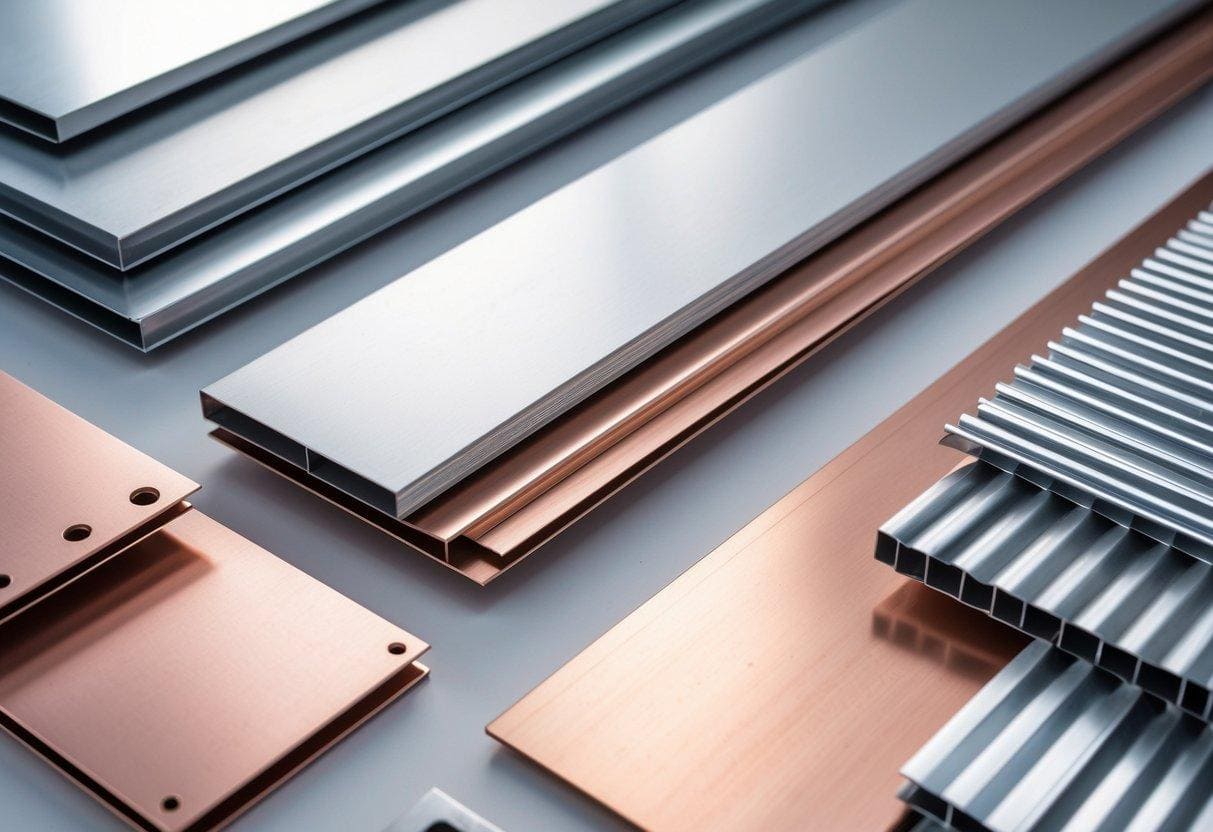
You will see four metals again and again because each offers a clear mix of strength, weather protection, and visual character. Know where each metal fits so you can match cost, lifespan, and appearance to your project.
Steel: The Foundation of Modern Metal Construction
Steel provides the main structural systems for most metal buildings. You will find it in beams, columns, and framed systems because it has a high strength-to-weight ratio that lets you span long distances without bulky supports. Common types include carbon structural steel for frames and galvanized steel for cladding and purlins.
Steel frames let you design open floor plans and taller buildings while keeping costs predictable. In corrosive environments you can use weathering (Corten) steel or add galvanizing and paint systems to protect iron content. Fabrication is fast—cutting, welding and bolting are standard—so construction schedules stay tight.
Think about local codes and insulation when you specify steel. Fireproofing, thermal breaks and connections to other materials matter for performance and energy efficiency in cold Canadian winters.
Aluminum: Lightweight and Corrosion-Resistant
Aluminum is much lighter than steel and resists corrosion from moisture and salt, so it works well for roofing, siding, and architectural trim on coastal or humid sites. You will pay more per kilogram than for plain carbon steel, but you save on handling and substructure because aluminum needs less heavy framing.
You can anodize or paint aluminum to get durable finishes and consistent colours. It bends and forms easily, so architects use it for curved panels and detailed facades. For load-bearing needs, engineers prefer steel; aluminium usually serves as non-structural cladding or secondary framing.
Keep in mind thermal expansion: aluminium moves more with temperature swings. Use proper fasteners and expansion joints to prevent buckling or oil-canning in large panels.
Copper: Durability and Distinctive Aesthetics
Copper offers long-term durability and a unique patina that develops over decades. You will see it on roofs, gutters, flashings, and feature facades where appearance matters. Copper resists corrosion and can last 60–100 years on roofs with minimal maintenance.
The metal starts bright and warms to brown, then greenish patina with time. That patina protects the surface, so maintenance is mostly visual. Copper is expensive compared with steel and aluminium, and it is heavier, so you must plan support and attachment details carefully.
Use soldered or mechanically fastened joints for watertight assemblies. Copper pairs well with stone and wood in architectural metal work and often appears in restoration projects where historical character is important.
Zinc: Modern Protection and Longevity
Zinc gives you passive corrosion resistance and a natural, subdued finish that architects like for contemporary buildings. It weathers slowly to a bluish-grey patina that self-heals small scratches through a thin protective layer, extending service life with little upkeep.
You will commonly see zinc in cladding, roofing, and flashings on modern metal buildings. It is softer than steel and copper, so installers form it on-site or use prefabricated panels. Zinc’s thermal expansion is moderate, so you still need design details for large panels and long runs.
Zinc alloys and coatings can improve durability in harsher climates. Because zinc is not structural, combine it with a steel frame or other load-bearing system when you need strength for your building.
Types of Steel and Their Applications
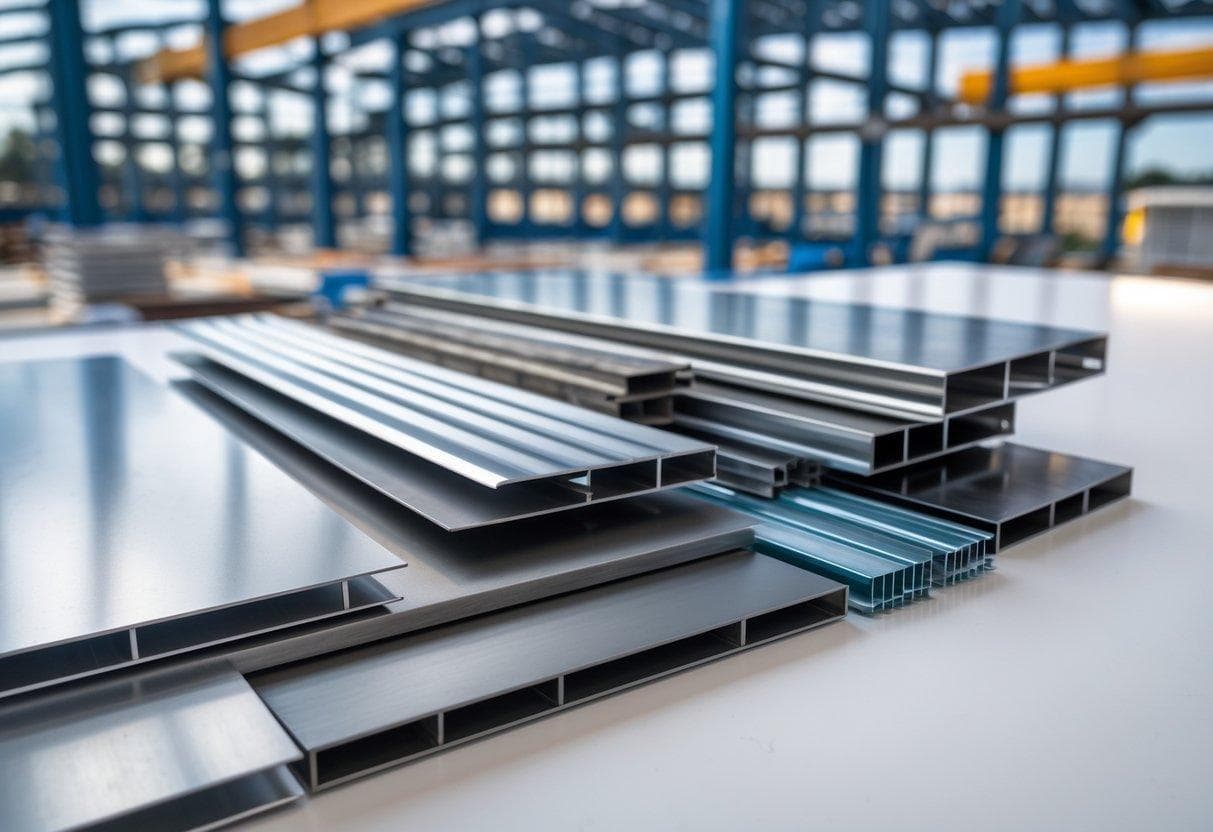
Steel choices affect strength, cost, and maintenance for your building. You will see options that suit framing, exterior panels, fasteners, and reinforcement based on load needs and exposure.
Structural Steel
Structural steel (like W-shapes, I-beams and HSS) provides the main load-carrying frame for many metal buildings. You use it where high tensile strength and predictable performance matter — long clear spans, multi-storey frames, and heavy roof loads.
Designers specify grades such as ASTM A36 or A992 for beams and columns because they balance strength and weldability. You will find steel beams and columns prefabricated to speed erection and reduce site welding. Connections use bolting or welded gusset plates, so detail matters for seismic and wind resistance.
Structural steel suits steel framing, cranes, and mezzanines. It resists tension and compression but needs protection (paint or galvanizing) if left exposed to moisture or coastal salt.
Galvanized Steel and Corrosion-Resistant Options
Galvanized steel has a zinc coating that protects the base metal from rust. You choose it for roof panels, wall cladding, purlins, and fasteners where moisture or wet snow causes corrosion risk.
Hot-dip galvanizing offers thicker, longer-lasting protection than electro-galvanizing. For coastal or chemical environments, you can upgrade to duplex systems (galvanize plus paint) or use weathering steels with protective patina in specific designs. Fasteners and connectors should also be galvanized to avoid galvanic corrosion at joints.
Galvanized steel keeps maintenance costs lower and extends life in typical Canadian climates, especially for agricultural and storage buildings.
Stainless Steel and Specialty Alloys
Stainless steel and specialty alloys resist corrosion without extra coatings. You use them when exposure or hygiene demands it — coastal façades, food processing areas, or architectural trim where appearance and long-term durability matter.
Common grades include 304 and 316 stainless. Grade 304 suits general corrosion resistance; 316 adds molybdenum for better saltwater resistance. These alloys cost more, so specify them for critical elements: exterior hardware, handrails, and visible cladding. For high-strength or high-temperature needs, alloy steels (nickel-chrome, etc.) offer specific mechanical properties.
Use stainless in marine and chemical settings or where you want a maintenance-free finish.
Mild Steel, Tool Steel, and Rebar
Mild steel (low-carbon) is inexpensive and easy to form. You will see it in purlins, secondary framing, and general fabrication where high tensile strength is not required. It welds and cuts cleanly, making it a workhorse for many building components.
Tool steel is hardened for cutting tools, dies, and wear parts — not structural framing. Use it in machinery or equipment inside industrial buildings where abrasion resistance is needed.
Rebar (reinforcing bar) ties into concrete foundations and slabs that support your steel frame. Specified as Grade 60 (in Canada, often 400 MPa) or higher, rebar provides tensile strength in concrete footings, anchoring base plates and improving overall structural performance. Combine proper rebar placement with anchor bolts to transfer loads from steel columns into the foundation.
Popular Metal Building Materials and Components
You will choose materials that match strength, weather resistance, and budget. Focus on panel type, thermal performance, and the right fasteners for a lasting build.
Metal Panels and Cladding Systems
Metal panels form the exterior skin of your building. Common choices are galvanized steel, aluminium, and pre-painted steel. Profiles include ribbed, corrugated, and standing seam. Each profile affects water shedding, wind resistance, and appearance.
Cladding often uses through-fastened or concealed-fastener systems. Through-fastened panels are cheaper and faster to install. Concealed-fastener or snap-lock panels give a cleaner look and reduce leak points. You can add a wainscot of heavier-gauge panels at the base to protect against impacts and moisture.
Panel gauge, paint finish, and coating (e.g., zinc or GALVALUME) matter for corrosion resistance. Specify finish warranties and expected maintenance for your climate.
Insulated Metal Panels (IMPs)
Insulated metal panels combine inner and outer metal skins with a rigid foam core. You get both structure and continuous insulation in one product. Typical cores are polyisocyanurate (PIR) or expanded polystyrene (EPS); PIR has higher R-value per inch.
IMPs reduce thermal bridging compared with framed walls plus batt insulation. They speed installation and improve airtightness when joints are properly sealed. Select panel thickness and core type to meet local energy codes and condensation control needs.
Pay attention to joint detailing, vapour control, and fire rating. Properly flashed IMPs also simplify attachment for windows and doors.
Fasteners and Connectors
Fasteners hold panels, trim, and structural components together. Use self-drilling screws, through-bolts, and rivets sized for metal thickness and load. Choose fasteners with corrosion-resistant coatings—stainless steel or coated carbon steel—especially near coastal or industrial environments.
Sealing under screw heads with neoprene or EPDM washers prevents leaks. For concealed systems, use clips and cleats that allow thermal movement. Match fastener embedment to substrate: thin-gauge purlins need different screws than steel studs or wood framing.
Inspect fastener spacing, torque, and sealant compatibility during installation. Incorrect fasteners cause leaks, loose panels, and premature corrosion.
Curtain Walls, Window Frames, and Hardware
Curtain walls and windows control light, air, and aesthetics. Curtain wall systems use aluminium framing with sheet metal flashings and thermal breaks to reduce heat loss. Choose commercial-grade aluminium frames for strength and low maintenance.
Window frames come in aluminium, thermally broken aluminium, and vinyl-clad options. Specify double- or triple-glazing, low-E coatings, and argon fill for higher energy performance. Hardware like hinges, locks, and gaskets must be compatible with metal cladding and meet air- and water-tightness tests.
Detail flashing, sill pans, and gasket interfaces to avoid water intrusion where windows meet metal panels. Coordinate frame anchorage with fastener layout and IMP or panel joint locations.
Functional and Visual Benefits of Metal Materials
Metal materials deliver high strength, long life, good corrosion control, and flexible finishes that suit many building types. They also help manage heat, resist fire, and support large loads while offering a range of looks from polished to weathered.
Strength, Durability, and Load-Bearing Capacity
You get very high strength-to-weight ratios with structural steel and aluminum, so beams and columns carry heavy loads without large cross-sections. That means taller frames and longer clear spans for warehouses, sports centres, and industrial plants.
Steel alloys and cold-formed sections resist bending and buckling when sized correctly. Connections—bolts, welds, and moment frames—transfer loads reliably when you follow design codes. This reduces material volume and foundation costs in many projects.
Durability comes from predictable mechanical properties. With regular inspection and proper detailing at joints and penetrations, metal structures often remain serviceable for decades under typical Canadian climates.
Corrosion Resistance and Fire Protection
You can choose metals and coatings to control corrosion: stainless steel, galvanized steel, and coated aluminium all slow rust and staining. Hot-dip galvanizing and fluoropolymer paints add long-term protection for exterior panels and structural members.
Design details matter—drainage, isolation from dissimilar metals, and properly sealed connections prevent trapped moisture that speeds corrosion. For coastal or industrial sites, specify higher-performance coatings or stainless grades.
For fire performance, steel maintains strength at lower temperatures longer than wood and does not contribute fuel. You may need passive protection—intumescent paint or fireproofing boards—where codes require rated assemblies. Metal facades and roofing panels also offer non-combustible options that reduce fire spread.
Energy Efficiency and Thermal Performance
Metals conduct heat, so you must design thermal breaks and continuous insulation to control heat loss and condensation in cold climates. Rigid insulation behind metal cladding and thermal clips for rainscreens cut thermal bridging and improve R-values.
Reflective metal roofs reduce solar heat gain in summer when you use light-coloured or reflective coatings, lowering cooling loads. Daylighting systems integrated with metal façades can reduce electric lighting while maintaining thermal control.
Vapour barriers, proper air seals, and moisture management prevent condensation inside assemblies. When you combine metal panels with insulated metal panels (IMPs) or insulated composite systems, you get consistent thermal performance and faster on-site installation.
Aesthetic Appeal and Architectural Flexibility
Metals give you many visual options: stainless steel, aluminium, corten, zinc, and painted steel each offer distinct textures and colours. You can use standing-seam roofing, perforated façades, folded panels, or custom trims to achieve minimalist, industrial, or refined looks.
Finishes matter—PVDF coatings resist fading, anodizing enhances aluminium durability, and patina-forming alloys provide evolving character. Perforation patterns, backlighting, and layered rainscreens create dynamic facades and control transparency.
Architectural metalwork lets you produce custom shapes with CNC, folding, and laser cutting. That versatility supports signage, sunshades, and complex curtain wall details while keeping fabrication and installation efficient.
Sustainability and Cost-Effectiveness in Metal Buildings
Metal buildings can cut waste, lower energy use, and save you money over time. Recycled steel, good insulation, and simple maintenance all affect both environmental impact and long‑term costs.
Recycled Metal and Green Building Practices
Using recycled steel reduces your building’s embodied carbon and often costs less than buying all-new material. Many manufacturers supply panels and framing with 20–90% recycled content. Specify post‑consumer recycled steel when you want the highest environmental benefit.
Green building practices you can adopt include:
- High‑performance insulation to reduce heating and cooling loads.
- Cool roof coatings or reflective metal panels to lower summer energy use.
- Pre‑fabrication to cut on-site waste and shorten construction time.
You can also prepare a building for renewables by designing roof angles and load capacity for solar arrays. These choices make certification under programs like LEED or local green standards easier to achieve.
Lifecycle Benefits and Maintenance Savings
Steel resists rot, pests, and fire, so your repair and replacement costs tend to be lower than for wood. You will spend less on routine treatments and structural fixes over decades.
Good protective coatings and regular inspections extend service life and reduce corrosion risk. Properly insulated metal buildings also cut operating energy bills, sometimes by 20–40% depending on climate and usage. Over a 30‑year lifespan, these energy savings and reduced maintenance often offset higher upfront costs for premium coatings and insulation.
Track lifecycle costs by estimating annual energy, maintenance, and refurbishment expenses. That gives you a clearer view of long‑term cost‑effectiveness versus initial purchase price alone.
Cost Considerations for Material Selection
When choosing materials, weigh unit cost against expected lifespan and performance. Galvanized steel costs less than premium stainless options but requires more frequent maintenance in salty or industrial environments. Pre‑painted panels add upfront cost but lower repainting expenses.
Factor in installation speed. Prefabricated metal components cut labour hours, which often reduces total project costs. Also consider local supply and transportation: sourcing recycled steel nearby can save money and reduce emissions.
Create a short checklist for decisions:
- Expected building use and load demands.
- Climate and corrosion risks.
- Insulation and energy targets.
- Local availability of recycled materials.
Answering these helps you pick materials that balance sustainability and cost‑effectiveness for your project.
Innovative Applications and Trends for 2026
You will find stronger materials, smarter coatings and sensors, and new ways to mix metal with stone and other finishes. These changes affect design, fabrication, installation, and how metal homes, industrial structures, and even bridges get built and inspected.
Emerging Materials: Brass, Titanium, and Beyond
Brass sees renewed use as a decorative and functional element in facades, trim, and interior accents. It resists corrosion in many climates and gives a warm, durable finish for metal homes and high-rise lobbies. Expect brass panels and flashings to appear alongside steel in modern metal building design.
Titanium is growing where strength-to-weight and corrosion resistance matter, such as in exposed structural members for bridges, specialty facades, and select industrial structures. Its cost keeps it niche, so you’ll most often find it on high-value projects or where longevity justifies the price.
You’ll also see engineered stainless alloys and coated aluminums replace cast iron and wrought iron for many exterior features. Cast iron and wrought iron remain for some heritage or aesthetic uses, but modern alloys and fabrication methods reduce weight and ease installation in metal building fabrication and installation.
Advanced Coatings and Smart Sensor Technologies
Advanced coatings now combine weather resistance with thermal control. Ceramic-infused and Kynar-style coatings reduce solar heat gain on roofs and walls, lowering cooling loads for metal homes and commercial buildings. These coatings also slow corrosion on steel used in industrial structures and bridges.
Smart sensors embedded during fabrication give you real-time data on strain, moisture, and corrosion. Wireless sensors attach to structural steel, monitor bolts and welds, and send alerts during extreme weather or after construction. This helps you schedule maintenance and proves performance for insurance or compliance.
Coatings and sensors work together. A coated panel with an underlying moisture sensor tells you if water has breached the finish before visible damage appears. This reduces costly repairs and streamlines inspections during installation and throughout service life.
Integration with Other Materials: Stone Veneer and More
Stone veneer attaches to metal framing more often as architects aim for hybrid aesthetics. You can combine steel or aluminum framing with anchored stone veneer to get the look of masonry while keeping lighter structural weight for metal building design.
When integrating stone veneer, you must plan flashing, weep systems, and tie-back points during fabrication and installation. Proper detailing prevents moisture traps that harm both stone and the metal substrate. Use compatible fasteners and corrosion-resistant anchors to avoid galvanic issues with brass or other metals.
Other common pairings include metal with timber accents, glass curtain walls, and composite panels. These mixes suit metal homes, industrial structures, and certain high-rise features. You should specify materials that match expected loads and maintenance regimes to ensure long life and reduce retrofit needs.
Frequently Asked Questions
This section answers specific choices and trade-offs for metals you might use. It covers strength, cost, sustainability, energy performance, and fire resistance to help you pick materials for concrete needs.
What are the most durable metals used in contemporary building construction?
Steel is the top choice for structural frames, beams, and columns because of its high tensile strength and long service life. Hot-rolled structural steel and weathering steel offer excellent load capacity and resistance to fatigue.
Stainless steel resists corrosion and suits exposed façades, handrails, and trims, especially in coastal or industrial environments. Galvanized steel adds a protective zinc layer that extends life for roofing and siding.
Aluminium performs well where corrosion resistance and low weight matter, though it is softer than steel and needs design adjustments for heavy loads. Copper and zinc also provide durable cladding with long lifespans and low maintenance.
Which materials provide the best cost-efficiency for metal building projects?
Cold-formed steel and standard structural steel often give the best upfront cost-to-strength ratio for large buildings. Prefabricated steel panels and pre-engineered metal building systems reduce labour and erection time, lowering total project cost.
Aluminium costs more per kilogram but reduces foundation and transport costs because of its light weight. Simple galvanised steel roofing and siding deliver low maintenance expenses over time, keeping lifecycle costs down.
Can you list eco-friendly metals commonly used in modern construction?
Recycled steel is widely used and can contain 60–90% recycled content, cutting raw-material demand and embodied carbon. Aluminium also recycles well; recycled aluminium requires far less energy than primary production.
Copper and zinc are recyclable and highly durable, which reduces replacement frequency. Choosing metals with documented recycled content and specifying longevity helps lower environmental impact.
How do steel and aluminum compare in modern construction applications?
Steel gives much higher strength and stiffness, making it ideal for structural frames and heavy-load applications. Steel is heavier, so it needs stronger foundations and more labour to erect.
Aluminium is lighter and resists corrosion without coatings, which benefits façades, window frames, and roofs where weight matters. Aluminium costs more and has lower strength, so you often need larger sections or additional supports.
What innovations in metal building materials offer enhanced energy efficiency?
Insulated metal panels (IMPs) combine metal skins with rigid foam cores to cut heat transfer and speed up installation. Cool roof coatings and reflective metal finishes lower solar heat gain on roofs, reducing cooling loads.
Thermally broken metal frames and composite cladding systems reduce thermal bridging at connections and openings. Integrating photovoltaics into metal roof panels can generate on-site power while serving as weatherproof cladding.
What are some fire-resistant metal materials suitable for construction today?
Steel and aluminium do not burn and are commonly used where non-combustibility is required. Fire ratings depend on section size and fireproofing; encasing steel in fireproof board or spray-applied fireproofing raises its fire resistance.
Stainless steel retains strength better at high temperatures than mild steel, improving performance in fire-exposed façades. Metal panels combined with non-combustible insulation and proper detailing help meet building-code fire requirements.