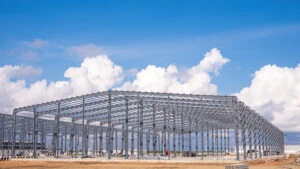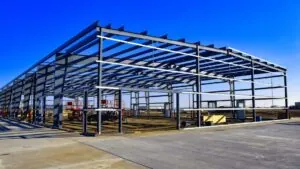
Looking for a fast, durable building option in Edmonton? Prefabricated metal buildings give you strong, low-maintenance space that goes up faster and costs less than many traditional builds. They suit commercial, agricultural and residential needs across Alberta because they combine custom design with quick installation and long-term value.
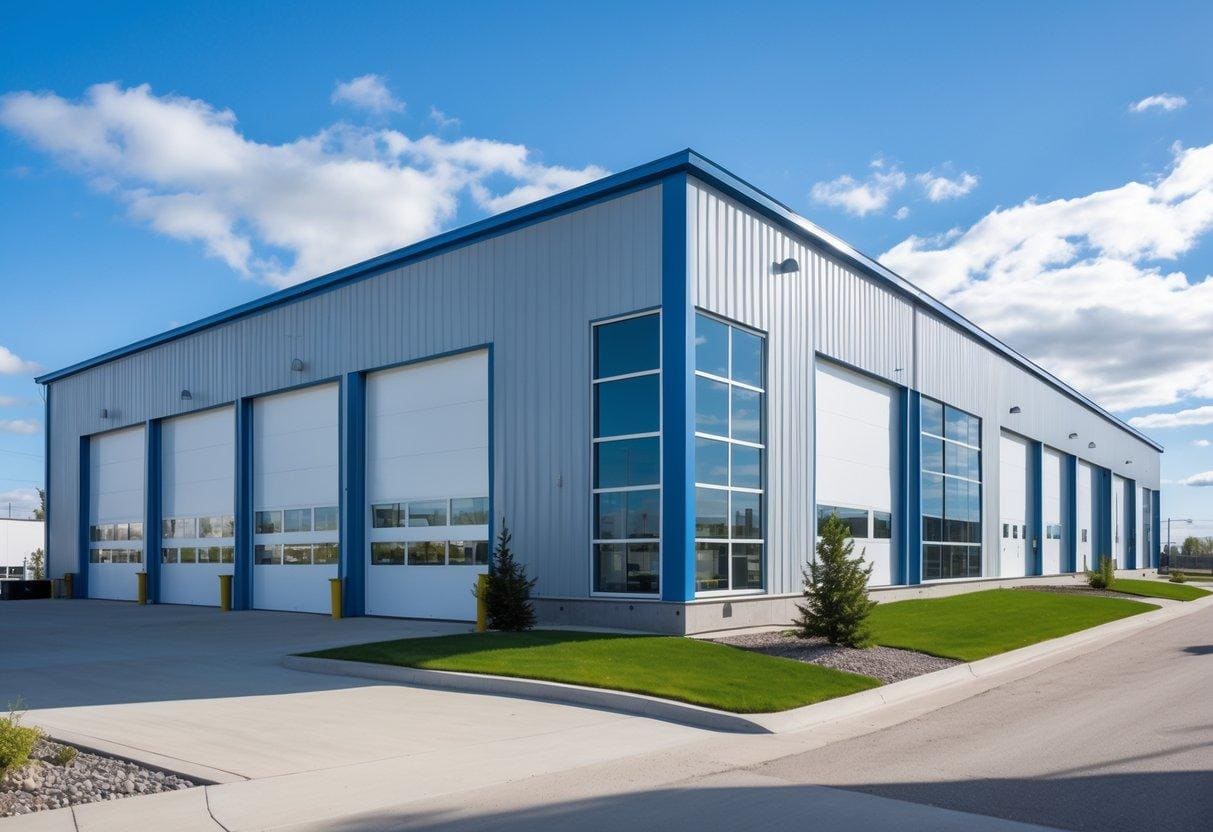
You can pick a standard kit or work with local fabricators for a tailored layout, and you’ll find options that handle Edmonton’s climate and building rules. Expect clearer timelines, predictable budgets, and simpler site work compared with stick-built construction.
Key Takeaways
- Prefabricated metal buildings offer speed and cost predictability for projects in Edmonton.
- You can customise designs while keeping long-term durability and low maintenance.
- Local suppliers and contractors help meet climate and regulatory needs.
Prefabricated Metal Buildings in Edmonton: Overview
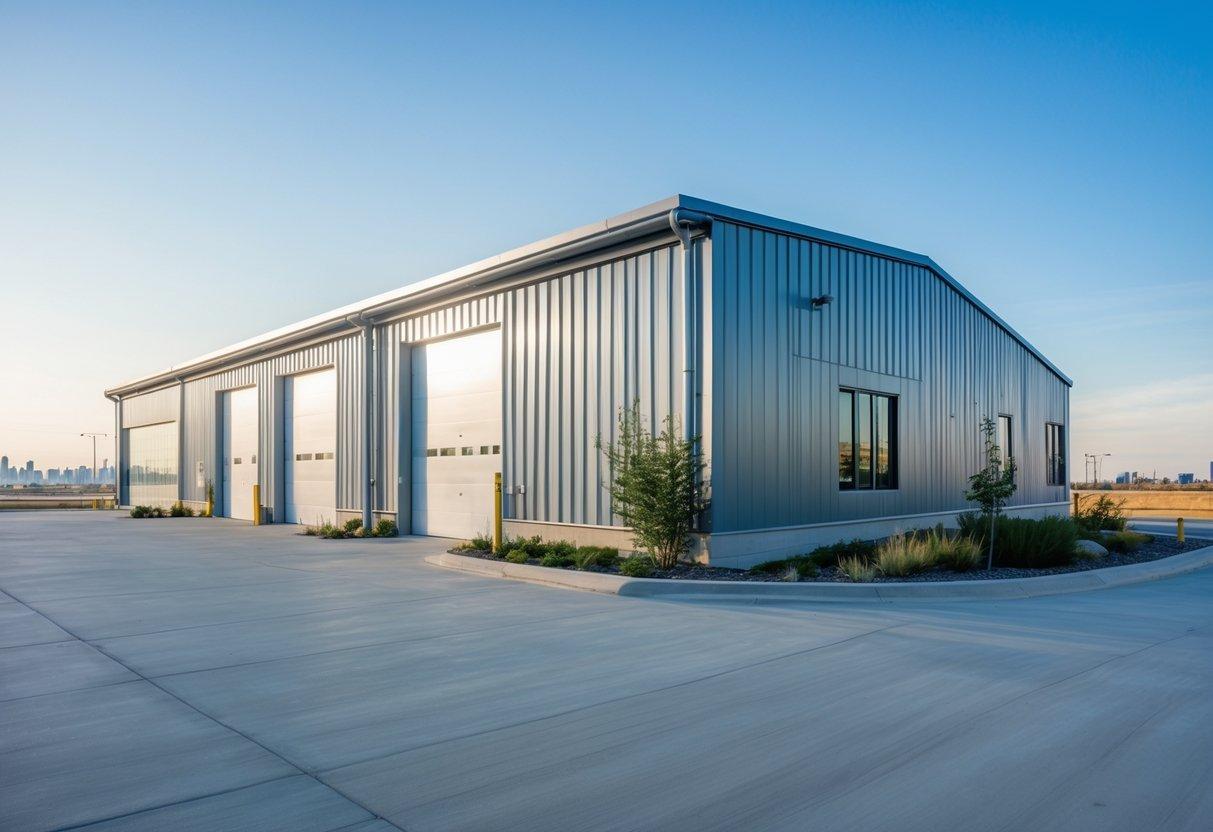
You can expect durable, weather-ready structures that install faster and often cost less than traditional builds. These buildings use factory-made steel parts and meet local codes for Edmonton’s cold winters and heavy snow loads.
What Are Prefabricated Metal Buildings?
Prefabricated metal buildings are factory-built steel components shipped to your site for assembly. You receive beams, columns, roof panels, and fasteners cut and pre-drilled to match engineered plans.
Designs are usually pre-engineered to meet Alberta building codes and local wind and snow requirements. That reduces on-site labour and shortens construction time. You still choose size, insulation, doors, windows, and finishes to suit uses like workshops, storage, retail or agricultural buildings.
Manufacturers often offer kits and turnkey options. Kits suit experienced builders or DIY projects. Turnkey packages include foundations, installation, and permits so you get a finished building with less hassle.
Key Features of Metal Buildings
Steel frames resist rot, pests and fire better than wood. In Edmonton, you should prioritise reinforced frames and roof systems rated for heavy snow loads and low temperatures.
Insulation options include spray foam, blanket insulation, or insulated metal panels to reduce heating costs. Roof slopes, gutters, and snow guards manage snow melt and runs. Choose high-grade galvanised or painted steel panels to prevent corrosion.
Pre-engineered parts arrive labelled for quick assembly. That lowers labour time and on-site errors. Many suppliers provide warranties on materials and structural performance, which helps protect your investment.
Types of Metal Buildings Available
You can pick from several common types: clear-span steel buildings, rigid-frame buildings, and modular/prefab panel systems. Clear-span buildings give open interior floor space without columns—good for shops and warehouses.
Rigid-frame, or pre-engineered metal buildings (PEMBs), combine trusses and columns for larger multi-bay layouts and mezzanines. Modular panel systems use insulated panels for faster enclosure and better thermal performance—useful for offices or cold storage.
Smaller options include garage kits, storage sheds and agricultural quonset-style buildings. Many Edmonton suppliers offer custom designs and prefab steel buildings with direct shipping and on-site installation to match your site, budget and use.
Popular Applications in Edmonton
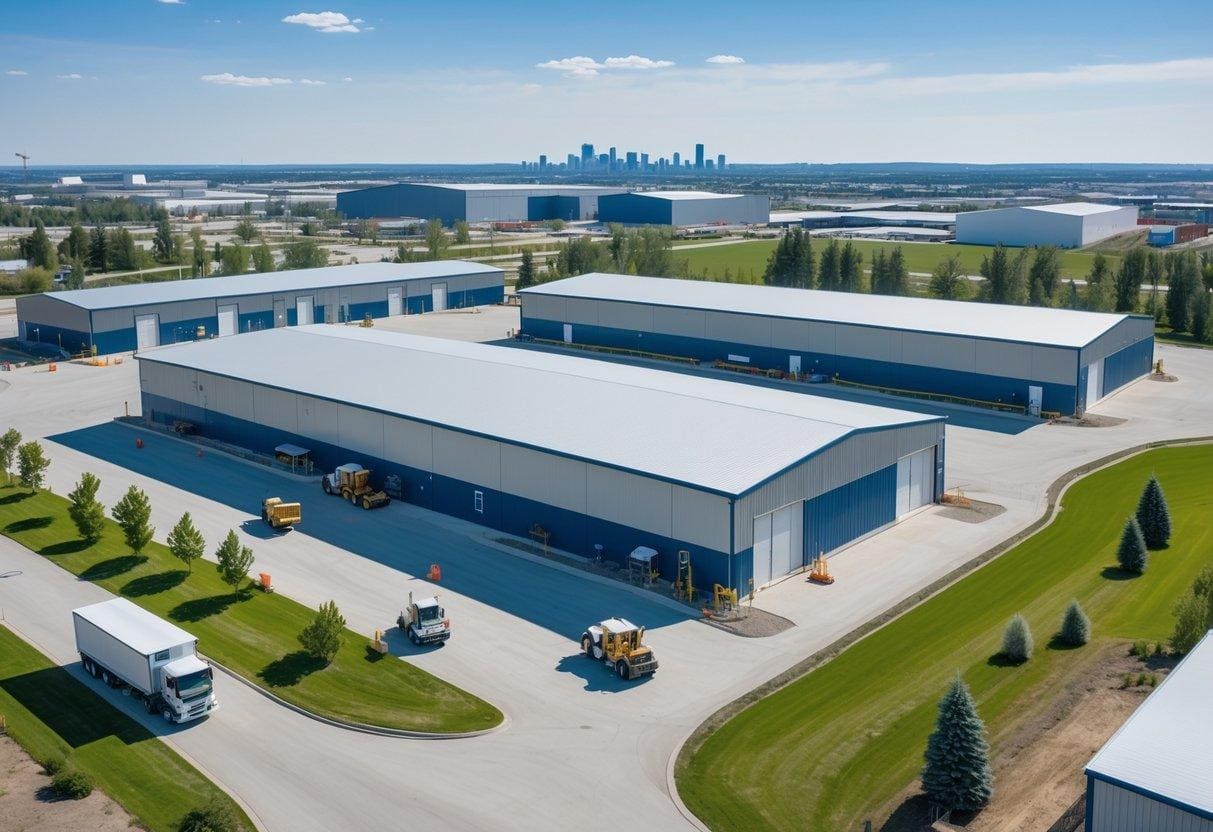
You’ll find prefabricated metal buildings used for a wide range of needs across Edmonton. They save time, handle heavy snow loads, and adapt to local codes for industrial, commercial, and agricultural uses.
Warehouses and Storage Facilities
You can use steel warehouses and storage facilities for retail distribution, cold storage, and bulk goods. Prefabricated designs let you pick clear-span layouts so forklifts and racking systems fit without interior columns getting in the way.
Insulation, vapour barriers, and built-in loading bays help protect inventory from freeze–thaw cycles and seasonal moisture. You can add mezzanines, office modules, and dock-level doors to meet operational needs.
Because Edmonton weather demands stronger roofs, choose engineered roof trusses and higher snow-load ratings. That reduces repair risk and lowers long-term maintenance for your storage facility.
Workshops and Metal Garages
A prefab workshop or metal garage gives you durable, fire-resistant shelter for fabricating, vehicle repair, or small manufacturing. You can specify wide roll-up doors, concrete floors, and reinforced clear spans to handle lifts and heavy equipment.
Ventilation, compressed-air routing, and electrical layouts come pre-planned in many custom steel building packages. This reduces on-site time and lets you start operations faster.
For hobbyists or contractors, modular office space and insulated panels keep year-round comfort while reducing heating costs during cold Edmonton winters.
Agricultural and Farm Buildings
You can use prefabricated agricultural buildings in Edmonton for equipment storage, livestock shelter, and grain handling. Steel frames resist pests and rot better than timber, which helps protect machinery and feed.
Options like raised eaves, ridge ventilation, and insulated panels support animal health and crop drying needs. You can also order customised clear-span barns to store large combines and balers without internal posts.
Engineered designs meet local snow and wind loads, which matters on Alberta acreage. Quick assembly minimizes downtime during planting and harvest seasons.
Commercial and Industrial Structures
Prefabricated metal buildings suit retail outlets, light manufacturing, and service centres across Edmonton. You can combine showroom fronts, offices, and workshop space in one custom steel building.
Metal façades and insulation upgrades let you meet energy codes while keeping costs lower than many traditional builds. For heavy industrial use, choose reinforced frames, higher bay heights, and seismic bracing where required.
Contractors often prefer prefab systems because they reduce site disruption and shorten construction schedules, helping your project open faster and stay on budget.
Benefits of Prefabricated Metal Buildings
Prefabricated metal buildings deliver fast build times, lower upfront and lifetime costs, and strong resistance to weather and wear. You get predictable schedules, clear material lists, and easier budgeting compared with traditional site-built options.
Speed of Construction
Pre-engineered steel buildings arrive with parts made and measured in a factory. That means you avoid long on-site fabrication. Your crew spends most time bolting and aligning pieces instead of cutting and fitting metal on location.
Faster erection matters in Edmonton where short construction seasons and winter delays cost you money. A steel building can reach weather-tight status in weeks, not months. Faster completion reduces interim storage, temporary heating, and site supervision costs.
You also gain predictable timelines. Factory drawings and shop schedules limit change orders. That predictability helps you plan tenant moves, equipment installation, or farm cycles with less risk.
Cost-Effectiveness and Affordability
Pre-engineered buildings cut labour hours because much work moves to the factory. Lower labour needs mean lower wages and fewer trade coordination issues on site. You pay less for scaffolding, temporary facilities, and extended equipment rental.
Material costs also stay competitive. Pre-cut panels and standardised components reduce waste and buying inefficiencies. Many suppliers offer package pricing for foundations, frames, cladding, and accessories so you can compare bids easily.
You can often finish interiors in phases. That staging lets you start operations sooner and spread capital costs. For commercial or industrial uses in Edmonton, that phased approach improves cash flow while still using a high-quality steel building.
Durability and Low Maintenance
Structural steel buildings resist rot, insect damage, and warping better than wood. Your pre-engineered steel building keeps its shape under heavy snow loads common in Alberta. Galvanised or coated panels resist corrosion when specified for local conditions.
Maintenance needs stay low. You typically inspect seals, gutters, and fasteners rather than replace framing or siding. That lowers lifecycle costs and reduces downtime for repairs.
When you choose a reputable supplier of steel buildings or structural steel buildings in Edmonton, confirm coatings, snow-load ratings, and warranty terms. Those specifics determine how well your building endures local climate and long-term use.
Design Flexibility and Customization
You can choose layouts and finishes that match your use, site, and budget. Options include open-span interiors, future expansion provisions, and multiple exterior cladding and colour choices.
Custom Floor Plans and Expansion
You decide the internal layout: clear-span bays for machinery or columned bays for racking. A pre-engineered building lets you pick bay width, roof pitch, and wall heights to fit equipment, vehicles, or mezzanines.
Specify door types and sizes — overhead doors, personnel doors, and loading docks — so operations run smoothly. Plan utility locations (electrical panels, plumbing, and HVAC) during design to cut retrofit costs later.
Design your building with future growth in mind. Many custom steel building systems allow simple end- or side-wall extensions and additional bays. You can order foundations and anchor points sized for expansion now, which reduces downtime and cost when you add space.
Key design items to confirm early:
- bay spacing and clear span
- roof and wall loads for snow and equipment
- door and dock placements
- locations for future expansion ties
Aesthetic Options and Architectural Features
You control the building’s exterior and interior look. Choose from metal panel profiles, colours, and trims to match branding or neighbourhood styles. Add brick or stone veneers, insulated panels, or curtain walls where appearance matters.
Windows, canopies, and storefront glazing improve natural light and customer appeal. Inside, finish options include insulated ceilings, interior partitions, and painted or lined panels for climate control and acoustics. Lighting and façade lighting choices also affect energy use and street presence.
Consider these architectural touches:
- colour-matched trims and gutters
- parapets and soffit designs
- integrated signage and canopy options
These details let your pre-engineered building perform like a bespoke structure while keeping fabrication and erection fast and cost-effective.
Site Preparation and Construction Process
You will need to manage permits, prepare a stable foundation, and schedule delivery and erection so the steel building arrives and is installed on time. Each step affects costs, weather windows, and the long-term performance of your metal building.
Permitting and Local Codes in Edmonton
You must obtain a building permit from the City of Edmonton before erecting a prefabricated steel building. Check zoning rules for your lot, permitted uses, and required setbacks. Provide drawings that show dimensions, structural plans, and site drainage to speed approval.
Alberta’s codes and Edmonton bylaws set snow-load, wind-load, and seismic requirements that affect frame design. Ensure your supplier’s stamped engineering matches local load values. If you change the design after ordering, submit revised plans to avoid work stoppages.
Electrical, plumbing, and mechanical permits are often separate. Schedule inspections at key stages: foundation, structural framing, and final occupancy. Keep copies of approvals on site to show inspectors and crews.
Foundation and Site Preparation
Start by clearing vegetation, removing topsoil where needed, and marking the building footprint with survey stakes. Grade the site to direct water away from the foundation and ensure a uniform bearing surface for the slab or footings.
Choose foundation type based on building size and soil: continuous strip footings for larger warehouses, isolated piers for smaller workshops, or a full concrete slab for flexibility. Ask a geotechnical or structural engineer for soil bearing capacity if you have soft or variable soils.
Compact subgrade, place vapor barrier and drainage where water is a risk, and set anchorage plates exactly to supplier dimensions. Coordinate underground services (gas, water, electrical conduits) before concrete pour to avoid costly drilling later.
Assembly and Erection of Metal Buildings
Plan delivery timing so components arrive after the foundation and site utilities are ready. Prefabricated parts typically include primary frames, purlins, girts, roof and wall panels, and fasteners. Inventory kits on arrival and store materials off the ground.
Erection starts with positioning main frames and securing base plates to anchor bolts. Use cranes for larger frames; smaller buildings may use jacks and braces. Follow the supplier’s erection sequence to preserve structural alignment and avoid overstressing connections.
Install sheeting, insulation, doors, and trim after frames are plumb and squared. Schedule building inspections at framing and completion. Finally, seal penetrations, test mechanical and electrical systems, and install site drainage to protect the foundation and prolong the life of your steel building.
Sustainability and Environmental Considerations
Prefabricated metal buildings can cut waste, lower energy use, and extend building life. Their main environmental strengths come from efficient construction, durable steel structures, and options for energy upgrades.
Energy Efficiency
You can reduce heating and cooling costs in metal buildings by choosing high-quality insulation and sealed panel systems. R-values for insulated steel panels and continuous insulation at seams help prevent heat loss in Edmonton’s cold winters. Consider insulated sandwich panels or rigid board with a vapour barrier to meet local codes and lower operational energy.
Roof and wall design matters. Add reflective roof coatings or light-coloured finishes to reduce summer heat gain. Install high-efficiency doors, airtight windows, and proper flashing to cut drafts. You can also integrate mechanical upgrades like heat recovery ventilators, high-efficiency furnaces, or heat pumps to improve year-round performance.
Orientation and HVAC controls further reduce energy use. Good daylighting with insulated glazing lowers electric lighting needs. Smart thermostats and zoning let you control temperatures for only the spaces you occupy.
Recyclability of Materials
Steel structures offer clear recyclability advantages. Most steel used in metal buildings contains recycled content and can be recycled again at end of life, which lowers embodied carbon compared with single-use materials. When you specify ASTM-grade steel or hot-dipped galvanizing, you keep material performance high while preserving recyclability.
Prefab construction reduces on-site waste. Factory-cut panels and pre-measured components mean fewer offcuts and less landfill. Keep scrap sorted and work with recyclers to recover steel framing and cladding at deconstruction.
Think about coatings and finishes when planning for reuse. Use paints and sealants that don’t hinder recycling or that can be stripped easily. Label materials and keep documentation so future owners can separate and recycle components rather than demolish them.
Frequently Asked Questions
This section answers practical concerns about cost, climate performance, permits, customization, and lifespan for prefabricated metal buildings in Edmonton. You will find clear details on snow and wind resistance, expected costs, design options, and code requirements.
What are the benefits of choosing a prefabricated metal building for my Edmonton project?
Prefabricated metal buildings arrive with parts made in a factory, which speeds up on-site assembly and lowers labour time. You save on construction delays and get consistent material quality.
You also get strong steel framing that resists pests and rot. That makes maintenance easier than for wood structures and keeps long-term upkeep costs lower.
How do prefabricated metal structures perform in the varying climate conditions of Edmonton?
Manufacturers design buildings for Alberta conditions, including heavy snowloads and cold winters. Proper roof pitch, snow-load-rated framing, and insulated wall panels keep the building safe and energy efficient.
You must add appropriate insulation and vapour barriers to control condensation and heat loss. Good sealing around doors and windows reduces drafts and heating costs.
What are the typical costs associated with erecting a prefabricated steel building in the Edmonton area?
Material costs depend on building size, gauge of steel, and finish options like insulation, doors, and windows. Expect a wide range; smaller storage buildings cost much less than large commercial or industrial shops.
Labour, foundation work, site prep, and permit fees add to the total. Get multiple quotes and itemized bids to compare supply, erection, and extras like snow guards or specialised coatings.
Can you customize the design of a prefabricated metal building to meet specific requirements?
Yes. Prefabricated systems are often engineered to accommodate custom widths, clear-span heights, and door placements. You can choose cladding, colours, insulation levels, and interior layouts to fit your use.
Engineers can adapt the structure for mezzanines, office fit-outs, and heavy equipment loads. Confirm lead times and cost impacts for non-standard features before you order.
What is the expected lifespan of a prefabricated metal building in Edmonton?
With proper design, coatings, and maintenance, steel buildings commonly last 40–60 years or more. Corrosion protection, quality galvanizing or paint, and regular roof and seal inspections extend service life.
Replace worn sealants, clear snow buildup, and repair damaged cladding promptly to avoid accelerated wear. Lifespan varies with exposure, maintenance, and material quality.
How do local building codes and regulations affect the installation of prefabricated metal buildings in Edmonton?
You must follow Alberta and City of Edmonton building codes, which set requirements for structural loads, fire safety, energy efficiency, and seismic design. Permit approval often requires stamped engineering drawings and snow-load calculations.
Some suppliers assist with permit documentation and approvals, but you remain responsible for ensuring compliance. Check utility connections, site zoning, and any development permits before starting work.