What Is a Pre-Engineered Metal Building and How Does It Work?
The 2026 Guide to Pre-Engineered Metal Buildings (PEMB): Costs, Benefits & Local Code Requirements
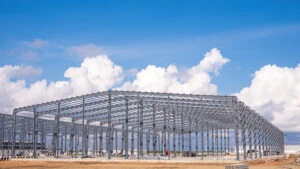
A Pre-Engineered Metal Building (PEMB) is a structural system consisting of rigid steel frames, secondary members (girts and purlins), and cladding that is designed and fabricated in a factory before being shipped to the job site for rapid assembly. Unlike conventional steel buildings that use standard rolled beams, PEMBs utilize tapered columns and rafters to optimize the steel-to-weight ratio, significantly reducing material costs and construction time.
Comparison: PEMB vs. Conventional Construction
See how Pre-Engineered systems compare to traditional structural steel and wood framing in terms of cost, speed, and durability.
| Feature | Pre-Engineered Metal Building (PEMB) | Conventional Structural Steel | Traditional Wood Framing |
|---|---|---|---|
| Primary Design | Tapered I-beams (Optimized for specific loads) | Rolled uniform I-beams (Standardized weights) | Lumber studs and trusses |
| Construction Speed | 30-50% Faster (Bolted connections, pre-cut) | Slower (Requires extensive on-site welding) | Moderate (Labor intensive on-site) |
| Cost Efficiency | High (Less steel used due to tapered design) | Moderate (Heavier steel increases cost) | Moderate (Volatile lumber prices) |
| Clear Span | Superior (300+ ft without columns) | Good, but heavy/expensive at width | Poor (Requires internal columns) |
| Foundations | Lighter (Due to lower building weight) | Heavy (Requires massive footings) | Light to Moderate |
| Expansibility | Simple (Expandable end-walls are standard) | Difficult (Demolition/welding required) | Difficult (Structural limitations) |
| Energy Efficiency | High (Deep cavities for R-40+ insulation) | Moderate (Thermal bridging issues) | Moderate (Standard fiberglass batting) |
Why Choose PEMB for Canada?
Building in Toronto, Ontaro or anywhere in Canada presents unique challenges that PEMBs are specifically designed to handle:
- Snow Loads: Custom tapered frames are engineered to withstand heavy regional snow loads without the need for expensive internal support columns.
- Thermal Performance: With energy codes becoming stricter in 2026, PEMBs easily accommodate high-performance insulation packages to meet local efficiency standards.
- Durability: Galvalume® steel panels offer superior resistance to rust and corrosion, essential for our variable climate.
Frequently Asked Questions
How much does a PEMB cost per square foot in 2026?
While prices fluctuate with the global steel market, a typical commercial PEMB shell generally ranges from $20 to $40 per square foot (material only). Turnkey projects, including foundation and erection, typically range higher depending on site conditions and finishing requirements.
How long do metal buildings last?
With proper maintenance and modern coating systems, a pre-engineered metal building can last 50 to 100 years. Steel is immune to organic issues like rot, termites, and warping.
Are PEMBs energy efficient?
Yes. The deep wall cavities created by the girts allow for thick insulation layers (R-30 to R-40+). When combined with insulated metal panels (IMPs), PEMBs can be some of the most energy-efficient commercial structures available.
Construction projects can feel complicated and time-consuming, but there is a way to make them faster and more efficient. You might have heard about pre-engineered metal buildings. These buildings are designed and partially built in a factory before they ever reach the construction site. That means most of the work happens off-site, and once the components arrive, assembly is much faster.
If you’re planning a warehouse, commercial space, or even a large storage building, understanding how pre-engineered metal buildings work can help you make better decisions for your project.
What Is a Pre-Engineered Metal Building?
A pre-engineered metal building is a structure made from metal parts that are designed, fabricated, and sometimes partially assembled in a factory before delivery. Instead of building everything on-site from raw materials like concrete or bricks, you get steel beams, columns, and panels ready to install.
Here’s what makes these buildings worthwhile:
- They are customized for your project. You can choose the size, layout, and roof style.
- The steel frame forms a strong skeleton that can hold heavy loads and resist weather damage.
- Pre-fabricated components, such as wall and roof panels, are made in a factory and labelled for easy assembly.
- They are scalable, so you can expand your building later if needed.
- Steel is durable, resisting pests, fire, and corrosion.
Using a Pre-Engineered Metal Building can save you time and money because the components are pre-made and precise. You also get a building ready for your intended use much faster than with traditional construction.
How Does a Pre-Engineered Steel Building Work?
Once you decide to go with a pre-engineered metal building, there are several steps to ensure a smooth process. Each step is planned to save time and reduce mistakes.
1. Planning and Design
You start with a design that shows the building’s size, shape, and layout. Engineers consider factors such as roof slope, door placement, and load capacity. They also take into account the local climate, wind speeds, and snow loads in your area to ensure the building will be safe and long-lasting.
Software is often used to simulate how the building will perform under different conditions. You can also choose insulation, lighting, and even interior layouts to ensure the building fits your exact needs. Proper planning helps you avoid costly changes later and ensures the assembly goes smoothly.
2. Fabrication of Steel Components
After the design is approved, steel beams, columns, roof panels, and wall panels are made in a factory. Each piece is carefully measured, cut, and sometimes pre-drilled to fit perfectly on-site. By doing this in a controlled environment, manufacturers reduce mistakes and material waste.
The parts are then labelled and packaged with instructions, making it easy for construction crews to identify where each piece goes. This step alone saves weeks compared to traditional construction, where each piece is cut and fitted on-site.
3. Site Preparation
While the components are being made, your construction site is prepared. Foundations are poured, the ground is levelled, and any utilities are placed. Preparing the site in advance ensures the steel building can be installed without delays.
4. Assembly of the Structure
When the steel parts arrive, the frame is put together first. Beams and columns are bolted into place to form the building’s skeleton. This step is often faster than traditional construction because each piece has been pre-engineered to fit perfectly.
Depending on the size of your building, a small crew might assemble a warehouse in a matter of days. The precise assembly process also reduces errors and ensures the structure is stable and durable. This is one of the main reasons why pre-engineered metal buildings are so popular.
5. Roof and Wall Installation
Next, pre-fabricated roof and wall panels are attached. These panels protect the building from the weather and help with insulation. Since they are already made to exact measurements, installation is efficient and consistent.
6. Final Features and Inspection
Doors, windows, and other features are added at the end. Once the building is complete, it’s checked to make sure it meets safety standards and is ready for use.
Using an Engineered Structural Steel Building for your project means you can have a sturdy, functional space in weeks instead of months. You also reduce labour costs and material waste because everything is pre-planned.
Benefits of Pre-Engineered Metal Buildings
Pre-engineered metal buildings offer a smart balance of quick installation, cost savings, and long-term strength. They are resistant to pests and harsh weather conditions, which helps reduce maintenance worries. Another advantage is flexibility. These buildings can be expanded or altered in the future without heavy construction work.
Titan Steel Buildings supports you at every stage, from planning and design to delivery and installation. Their experience helps ensure the structure matches your requirements and is completed in a safe, efficient, and timely manner. To know more about what they offer, you can visit Titan Steel Buildings.
Bottom Line
Pre-engineered Metal buildings give you a faster, more efficient way to complete construction projects. By using pre-fabricated steel components, you save time, reduce labour costs, and get a stronger, more durable building. These buildings work well for warehouses, commercial spaces, factories, and agricultural storage.
If you want a building that meets your needs and is built with precision, Titan Steel Buildings can guide you through the design and construction process. They provide professional service for engineered structural steel buildings and ensure your project is finished on time and according to plan. Choosing the right provider makes a big difference in how smoothly your project runs.