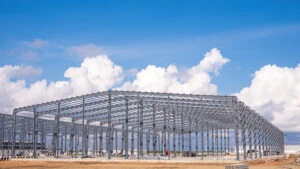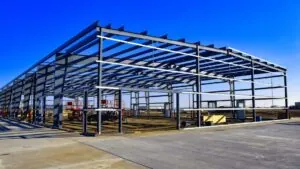
You want a steel building that stands up to snow, wind, and deep cold without huge heating bills or constant repairs. Choose a building with strong snow-load capacity, good insulation, and a tight envelope to keep heat in and moisture out. A properly engineered steel building with high R-value insulation, an angled roof for snow shedding, and vapor control gives you the best long-term performance in cold climates.
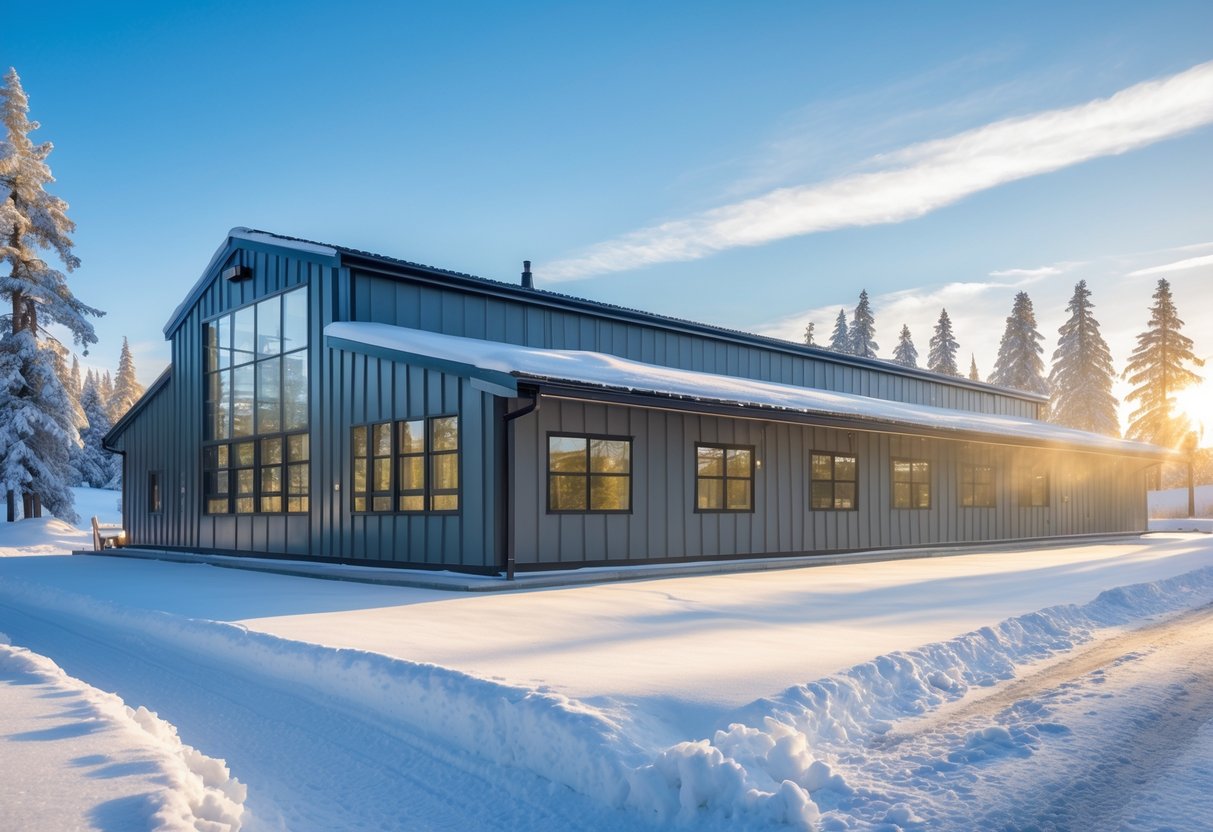
Pick from clear-span bays for open workspaces, insulated garages for vehicle storage, or vertical-roof systems that shed snow faster—each type solves different needs while using steel’s strength and low maintenance. Pay attention to local codes and structural engineering so your building handles snow loads, wind, and foundation frost properly.
Key Takeaways
- Prioritise structural strength, insulation, and moisture control for cold climates.
- Choose building types based on use: open spans, heated garages, or vertical roofs.
- Follow local engineering and code rules to ensure safe, durable performance.
Crucial Cold Climate Steel Building Features
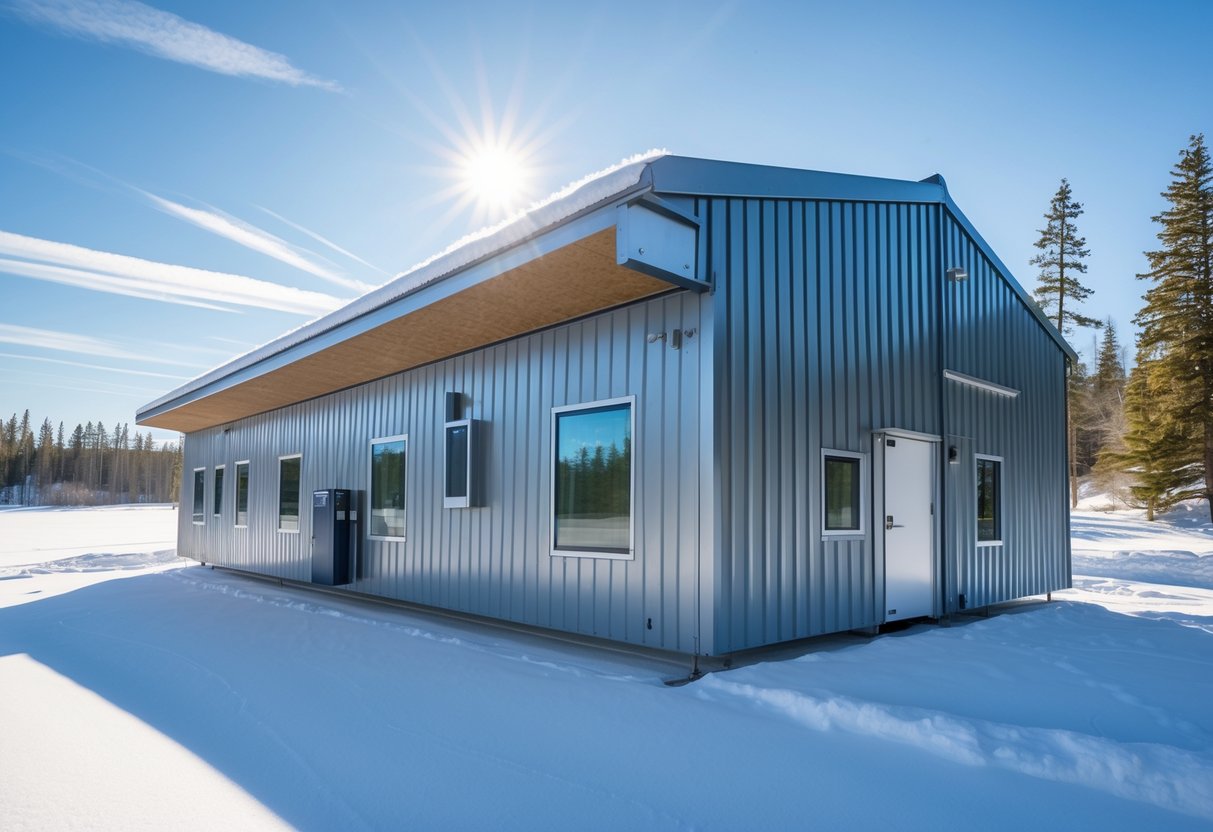
You need a building that handles heavy snow, keeps heat in, and stops ice and moisture from causing damage. Focus on structure, insulation, and control details to protect the building and reduce operating costs.
Snow Load and Wind Resistance Essentials
Design for your site’s governing snow load and exposure category. Specify roof steel gauge, purlin spacing, and clear-span framing sized to a stamped engineer’s load table. Use steeper roof slopes or standing-seam roof panels where possible to shed snow. Add snow guards or heated roof edges in areas prone to drifting or ice dams.
Anchor systems must resist uplift from winter wind gusts. Choose anchor bolts and base plates sized to the foundation design and local wind maps. Use windbreaks or reinforced panels at eaves and gable ends to reduce pressure differentials. Get engineer-stamped drawings that state the design snow load (kPa or psf) and wind load. That protects safety and eases permitting.
Thermal Performance and Energy Efficiency in Winter
Pick insulation with the right R-value for your climate zone. Common choices include spray foam in roof cavities, continuous rigid board on walls, and insulated metal panels (IMPs) for higher R-values in a thinner profile. Seal all panel joints, penetrations, and around doors with airtight gaskets and tapes to prevent convective heat loss.
Specify thermal breaks at purlins and metal-to-metal connections to limit thermal bridging. Install high-performance doors and triple-track seals on overhead doors. Consider heat-recovery ventilation if you need fresh air with low heat loss. Calculate projected heating loads using the chosen R-values and air changes per hour so your heating system matches real winter demand.
Moisture and Ice Accumulation Control
Manage condensation with a vapour control layer on the warm side of insulation and a continuous air barrier. Use breathable but water-resistant exterior layers to let any trapped moisture escape outward. Place vapour retarders where required by code and climate to avoid interstitial freezing.
Design gutters, downspouts, and heated troughs to carry meltwater away from foundations and entrances. Fit roof edge heating or self-regulating heat tape at critical eaves to prevent ice dams. Inside, slope floors and install floor drains in areas where meltwater or runoff might collect. Regularly inspect sealants and penetrations; frozen gaps let moisture in and start corrosion.
Best Steel Building Types for Cold Climates
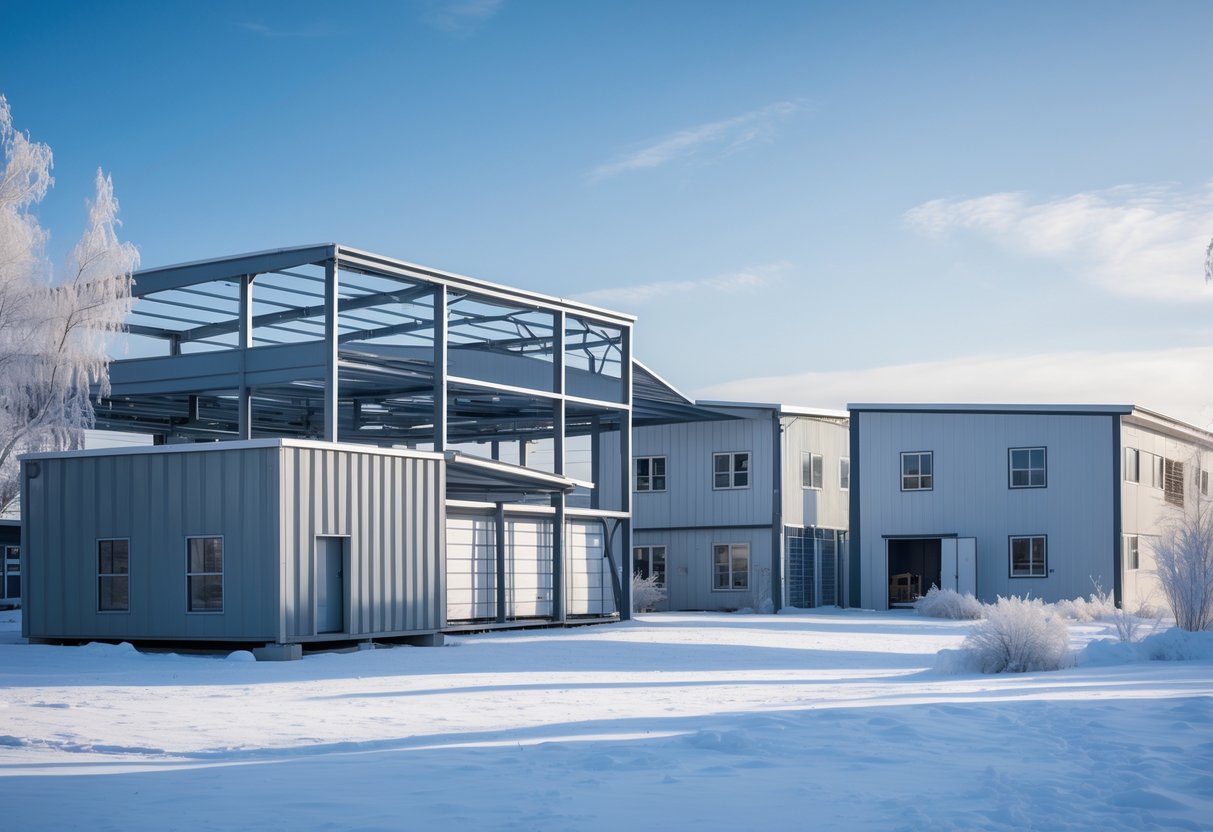
These options focus on snow load capacity, thermal performance, and simple site installation. You’ll see how framing style, purlin choice, and roof shape affect strength, insulation and cost.
Cold-Formed Steel Buildings
Cold-formed systems use thin-gauge C-channel or Z-purlin members rolled at room temperature. You get lighter components that are easy to ship and assemble, which reduces labour in remote or snowy sites.
Design for snow and wind loads matters. Specify thicker gauge where snow accumulation is high and ask for purlins spaced to match your roof insulation and cladding. Cold-formed frames pair well with continuous insulation and vapour control to avoid condensation and heat loss.
Use connections rated for low temperatures and fasteners with corrosion protection. These buildings suit workshops, storage, and smaller agricultural buildings where clear spans are modest and cost control is important.
Rigid Frame Systems
Rigid frames use hot-rolled or heavy cold-formed members welded or bolted into deep rafters and columns. They give you large clear internal space and strong roof support for heavy snow loads.
Spacing and member size follow your site-specific load requirements; designers select beam depth and flange width to resist bending from snow. Rigid frames accept heavier insulation systems and built-in thermal breaks, improving energy performance in winter.
These systems handle long spans, cranes, and taller doors without interior columns. If you need industrial use or long-term durability in a northern climate, specify rigid-frame steel with painted or galvanised finishes.
Quonset Structures
Quonset (arched) buildings use curved steel panels that create a continuous shell. The arch shape sheds snow naturally and reduces point loads on the roof, lowering the need for internal supports.
You’ll save on heating because the enclosed volume is smaller per floor area and air mixes easily, but plan insulation carefully at the curved surface. Attach rigid insulation or spray foam to avoid thermal bridges where panels overlap.
Quonsets are quick to erect and resist wind uplift due to their aerodynamic profile. They work well for storage, garages, and temporary shelters in remote cold regions.
Clear Span Designs
Clear span buildings remove internal columns by using deeper rafters or trusses to carry loads across the width. This gives you unobstructed floor area for equipment, storage or livestock movement.
Designers size trusses or deep rigid members to handle combined snow and wind loads for your exact location. Match purlin type—C-channel or Z-purlin—to the truss layout so roofing and insulation attach securely and transfer loads correctly.
Clear span designs let you place insulation, vapour barriers, and mechanical systems without interior obstructions. For heavy-duty use, pick structural steel with protective coatings and confirm connections meet Canadian load codes.
Optimizing Building Envelope and Insulation
Proper insulation, moisture control, thermal breaks and airtight detailing keep heat in, moisture out, and reduce energy use. Focus on continuous layers, sealed joints, and thermal separation at metal connections for a durable cold-climate envelope.
Insulated Metal Panels and Continuous Insulation
Insulated metal panels (IMPs) combine a metal face with rigid foam core to give high R-value per inch. Choose panels with a closed-cell foam core like polyisocyanurate for higher R-value and good moisture resistance.
Install panels with continuous runs over framing to avoid thermal bridging. Stagger joints and use factory-cut flashings to maintain a continuous insulation plane. Seal panel seams with compatible tapes and gaskets to stop air and moisture leaks.
Use continuous insulation (CI) on walls and roof where possible — rigid board or exterior sheathing under cladding reduces heat loss through studs and purlins. Target code or better R-values for your climate zone and account for panel thickness, structural loads, and service penetrations.
Vapour Barriers for Moisture Defence
Place a vapour barrier on the warm side of the insulation in cold climates to prevent interior moisture reaching cold sheathing and condensing. Select vapour-retarder materials with a low permeance for occupied, humid spaces, and consider smart vapour retarder sheets where moisture control needs to adapt.
Seal all laps, penetrations and transitions with tapes and liquid-applied membranes compatible with the barrier. Pay special attention to roof-to-wall junctions and door/window openings.
Avoid trapping moisture between two impermeable layers; provide a designed drying path (usually outward) if materials may get wet. Inspect and maintain seals around mechanical penetrations and service openings to keep the barrier continuous.
Thermal Breaks and Prevention of Heat Loss
Thermal breaks interrupt conductive paths through metal framing, fasteners and frames to cut heat loss. Use non-conductive spacers or continuous insulating strips where steel meets exterior cladding or interior finishes.
Install exterior continuous insulation over structural steel or use insulated metal panel systems that incorporate thermal break layers. For window and door frames, choose frames with built-in thermal breaks or add foam gaskets and insulating frame liners.
Address fasteners and clip connections by using insulated washers or low-conductance fasteners. Inspect purlin and girder connections to ensure thermal separation, especially at roof-to-wall junctions where heat loss concentrates.
Airtight Building Envelope and Weather-Sealed Features
Make the envelope airtight with taped seams, sealed penetrations and continuous air barriers to reduce convective heat loss. Use a dedicated air barrier membrane or rely on well-sealed IMP joints; either approach must be continuous from foundation to roof.
Select energy-efficient windows and weather-sealed doors. Triple-pane windows with low-e coatings and insulated frames work best in extreme cold. Fit door thresholds, perimeter seals and heavy-duty gaskets on overhead and personnel doors to stop drafts.
Detail transitions: flashings, mechanical penetrations and service entries need compatible seals and regular inspection. Test the airtightness with blower-door or equivalent field testing and remediate leaks you find.
Cold-Climate Steel Building Applications
Steel buildings work well where you need strength, fast erection, and good snow and wind performance. They let you control insulation, roof slope, and interior layout to match the use and your local code requirements.
Warehouses and Distribution Centres
You can use steel warehouses to handle heavy snow loads and wide clear spans without interior columns. Choose rigid-frame or clear-span systems to give forklifts and racking full access. Specify roof slopes, secondary framing, and snow guards to prevent drifting and ice damming.
Insulation and vapour control matter for stored goods. Use continuous insulation, insulated metal panels, or spray foam to keep temperature stable and reduce condensation. Add heated loading docks, vestibules, and high-speed doors to limit heat loss during loading.
Design for heavy floor loads and efficient material handling. Use insulated wall cladding with integrated lighting and skylights to cut energy use. Coordinate with local snow-load and wind-load criteria during engineering to avoid retrofit costs.
Agricultural Buildings and Equipment Storage
Steel sheds and clear-span barns protect machinery, feed, and livestock from snow and freezing rain. Open-span trusses let you park large combines and tractors without tight manoeuvres. Use elevated roof lines and wide doors to clear snow buildup and allow equipment access.
Moisture control is critical for stored feed and hay. Install raised floors, good ventilation, and vapour barriers to prevent mould. Heat small areas only where needed with unit heaters or radiant floors to save fuel while protecting animals and equipment.
Choose corrosion-resistant coatings and durable cladding for high-humidity or manure environments. Add skylights and clerestory windows for daylighting. You can also use prefabricated metal buildings to shorten construction time before winter arrives.
Residential Steel Structures and Barndominiums
Steel-framed homes and barndominiums give you open interiors, long roof spans, and robust snow performance. Use steel wall studs or fully engineered steel frames with continuous exterior insulation to meet your thermal comfort needs and code for cold climates.
Pay attention to thermal breaks and airtightness to avoid cold bridges. Combine structural steel with insulated metal panels or cold-climate wall assemblies and include vapour control layers. Design roof pitch and gutter systems to shed snow and manage ice formation.
Barndominiums often include attached equipment bays or garages. Use insulated overhead doors and heated floors in those spaces to protect vehicles and tools. Work with an engineer to size members for snow loads and to integrate mechanical systems for efficient heating.
Building Codes, Compliance, and Structural Engineering
You need clear, code-approved designs, accurate snow-load calculations, and a foundation that resists frost. Timely fabrication and realistic lead times keep your project on schedule and avoid winter delays.
Snow Load Engineering and Local Code Requirements
You must design for the greater of the National Building Code (NBC) values and your municipal snow loads. Use the mapped ground snow load from local authority or an engineer’s site-specific assessment; roof shape, drift, and exposure change the design load significantly. Ask for engineer-stamped drawings that show roof live load, unbalanced loading for drifts, and load combinations per CSA or NBCC requirements.
Specify roof slope, purlin spacing, and secondary framing to meet the calculated loads. Where snow accumulation or drifting is likely, detail increased tributary areas and stronger connections. Keep documentation for permit review: stamped calculations, member schedules, and connection details.
Foundation Design for Frost Heave
Design foundations to avoid frost heave by following local frost-depth requirements and good drainage practice. Use a qualified geotechnical or structural engineer to set bearing capacity, frost-slab depth (often 1.0–1.8 m in many Canadian zones), and insulation needs based on soil type and groundwater.
Common solutions include continuous concrete strip footings, frost-protected shallow foundations (with horizontal insulation), and pile or helical anchors where soils are poor. Anchor bolt layout must match the building’s baseplate pattern and include embedment depths and protective coating. Document uplift and lateral loads for wind and roof-snow cases so foundations resist overturning and sliding.
On-Site Assembly and Lead Times
Plan assembly around realistic fabrication and shipping windows. Typical pre-engineered steel buildings require 8–16 weeks from order to delivery, but complex or heavily engineered packages and peak-season orders can take longer. Confirm shop-drawing review timelines and hold points so engineering stamps and permit issues don’t delay production.
Prepare your site before delivery: level pad, set concrete cure times, and have cranes and crew booked. Provide installers with the stamped erection drawings, bolt lists, and part markings to speed assembly. Track change orders closely—design changes after fabrication increase lead times and costs.
Design Strategies for Steel Buildings in Canadian Winters
Plan for steep roofs, strong framing, and continuous insulation where needed. Position interior spaces and mechanical systems to reduce heat loss and to keep snow removal routes clear.
Roof Pitch and Snow Shedding Solutions
Give your roof a pitch of at least 4:12 where heavy snow is common; steeper pitches (6:12 or more) shed snow faster and reduce drift buildup. Use standing-seam metal roofing or coated steel panels to help snow slide, and design eaves and gutters to handle sudden snowmelt.
Add features that control snow movement: metal snow guards, heated roof edge cables, and reinforced valleys. Specify load-rated purlins and rafters with CSA-compliant capacities for your location’s ground snow load. Consider insulated metal panels (IMPs) for the roof to lower thermal bridging and reduce ice dam risk. Detail roof-to-wall connections to resist uplift from wind and shifting snow.
Interior Layout Considerations
Place critical rooms — mechanical, storage, and workshops — in the building core to keep them warmer and reduce exterior wall exposure. Arrange large open bays so roof loads transfer directly to main frames, avoiding small partitioned bays that trap snow loads locally.
Route HVAC, ducts, and plumbing away from exterior walls or inside insulated chases to prevent freezing. Use partition placement to create buffer zones (vestibules, corridors) between cold doors and main occupied spaces. For insulated metal panels on interior walls, plan for vapor control and service cavities to run wiring without penetrating the thermal envelope.
Maintenance and Durability Best Practices
Inspect roof fasteners, seals, and panel joints every spring and after major storms. Replace worn flashings and touch up factory coatings to prevent corrosion where snow and salt collect. Keep a log of inspections and repairs to track recurring issues.
Clear roof edges and downspouts of ice and debris; use approved snow-removal tools to avoid denting panels. Service mechanical systems before winter to ensure heat distribution and to prevent frozen piping. Specify corrosion-resistant steel grades and factory-applied coatings for longevity in road-salt zones.
Frequently Asked Questions
This section answers common concerns about insulation, structural design, manufacturers, winter-ready features, heating options, and the benefits of pre-engineered metal buildings. Expect specific materials, design factors, supplier traits, and practical choices you can use for a cold-climate project.
What insulation materials are recommended for steel buildings in cold regions?
Closed-cell spray foam offers high R-value and air-sealing in one product. It prevents condensation on cold metal and reduces heat loss through framing.
Rigid polyisocyanurate panels give good thermal resistance and a thin profile. Use them on roof and wall assemblies where you need continuous insulation and vapour control.
Fibreglass batt insulation works if you add a vapour barrier and ensure no gaps. It’s lower cost but needs careful installation to avoid cold spots.
How do weather considerations impact the design of a steel structure in cold climates?
Snow load drives roof slope, bracing and member sizing. You must design for local ground and drift loads from building codes and site-specific exposure.
Thermal movement and condensation control require expansion joints, insulated roofing, and vapour barriers. Without these, you risk corrosion and indoor moisture problems.
Wind and ice loads affect cladding choice and fastener spacing. You should specify corrosion-resistant coatings and stronger connections for exposed sites.
Which steel building manufacturers provide the best thermal performance for structures in colder areas?
Look for manufacturers that offer insulated sandwich panels or integrated insulation systems. These systems reduce thermal bridging and simplify installation.
Choose suppliers that provide engineering for local codes and performance data like U-values and thermal bridging details. That documentation shows how a building will perform in real winter conditions.
Prefer manufacturers with options for high-performance coatings and galvanizing. Those finish systems extend life and reduce maintenance in freeze–thaw climates.
What are the essential features to look for in a steel building to ensure it withstands harsh winter conditions?
High roof slopes or snow-shedding designs to limit accumulated loads. Include snow guards or heat tracing where controlled melt is needed.
Continuous insulation and thermal break details to stop condensation and heat loss. Add a vapour barrier on the warm side to control interior moisture.
Corrosion-resistant coatings, galvanizing, and stainless fasteners for durability. Also specify reinforced framing at eaves and corners to resist drifting and ice buildup.
Can you compare the efficiency of different heating systems for steel buildings in cold environments?
Forced-air furnaces heat quickly and work well with building ventilation, but they can lose heat through ducting. Insulate ducts and minimize leakage to improve efficiency.
Hydronic radiant systems deliver even floor or panel heat and reduce stratification. They are efficient for large open spaces and offer comfortable low-temperature surfaces.
Unit heaters (gas or electric) provide high output for spot heating and fast warm-up. They are less efficient for whole-building heating unless paired with good insulation.
Heat pumps with cold-climate ratings can be efficient down to very low temperatures. Choose models rated for the expected winter lows and consider backup heat for extreme cold.
What are the advantages of using pre-engineered metal buildings in locations with severe winters?
Pre-engineered buildings come with engineered snow-load calculations and stamped drawings, which speeds permitting and construction. That reduces design risk for you.
They often include factory-fit insulation and tight panel joints, cutting on-site labour and air leakage. You get predictable thermal performance and lower long-term heating costs.
Standardised components make maintenance and part replacement simpler. That helps you manage corrosion, coatings and repairs over the building’s service life.